







Benefits of Activity-Based Learning in Preschool
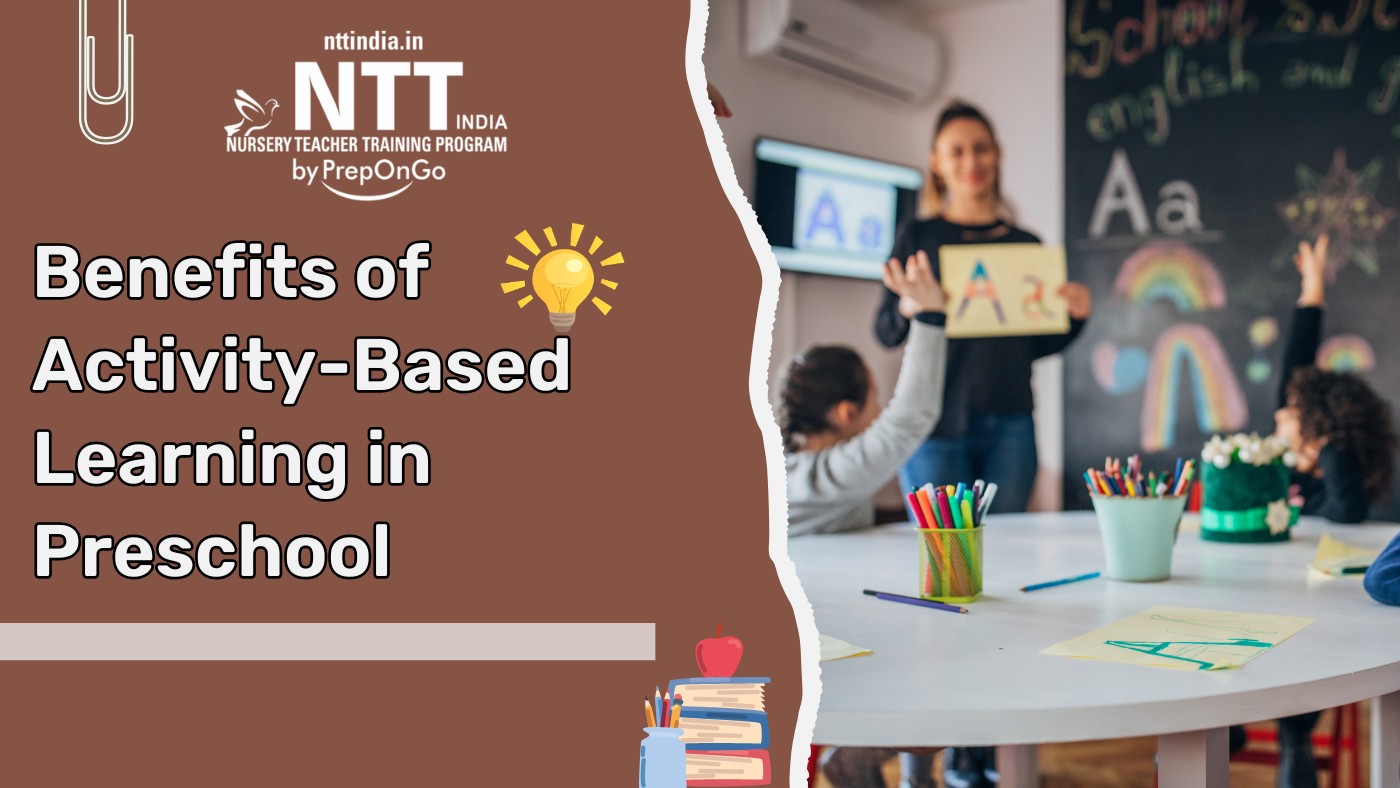
In today’s evolving education landscape, traditional teaching methods are gradually being replaced by more engaging and effective approaches. One such method that has gained significant importance is activity-based learning. Especially in preschool education, where young minds are naturally curious and energetic, learning through activities proves to be highly impactful.
Activity-based learning focuses on “learning by doing.” Instead of passive listening, children actively participate in tasks, experiments, and creative exercises that enhance their understanding and retention.
1. Improves Focus and Engagement
Young children often have short attention spans. Activity-based learning keeps them engaged by involving them in interactive tasks such as puzzles, storytelling, and role-play. This active participation helps improve concentration and makes learning more enjoyable.
2. Develops Motor Skills
Hands-on activities like drawing, cutting, building blocks, and clay modeling help strengthen both fine and gross motor skills. These activities are essential for physical development and prepare children for everyday tasks such as writing and coordination.
3. Encourages Creativity and Imagination
Creative activities allow children to express their thoughts freely. Whether it’s painting, music, or pretend play, these experiences nurture imagination and innovative thinking. Children learn to explore ideas and develop problem-solving skills from an early age.
4. Enhances Understanding and Retention
Children tend to remember concepts better when they experience them firsthand. Activity-based learning transforms abstract ideas into tangible experiences, making it easier for children to grasp and retain information.
5. Builds Teamwork and Social Skills
Group activities encourage children to interact, share, and collaborate with their peers. This helps in developing essential social skills such as communication, empathy, and teamwork, which are crucial for their overall personality development.
6. Promotes Experiential Learning
A key component of modern early education is experiential preschool education, where children learn through exploration and real-life experiences. This approach builds confidence and fosters independent thinking.
The Role of Activity-Based Learning in Early Education
Preschool years are critical for brain development. An engaging and stimulating learning environment ensures that children develop a love for learning from the start. Activity-based methods not only make education fun but also prepare children for future academic challenges.
NTT India ensures that its ECCE (Early Childhood Care and Education) program integrates experiential learning methods into its curriculum. By focusing on practical engagement and interactive teaching, it creates a strong foundation for lifelong learning.
Incorporating activity-based learning into preschool education is not just a trend—it is a necessity for nurturing well-rounded, confident, and capable learners.
Benefits of Activity-Based Learning in Preschool
In today’s evolving education landscape, traditional teaching methods are gradually being replaced by more engaging and effective approaches. One such method that has gained significant importance is activity-based learning. Especially in preschool education, where young minds are naturally curious and energetic, learning through activities proves to be highly impactful.
Activity-based learning focuses on “learning by doing.” Instead of passive listening, children actively participate in tasks, experiments, and creative exercises that enhance their understanding and retention.
1. Improves Focus and Engagement
Young children often have short attention spans. Activity-based learning keeps them engaged by involving them in interactive tasks such as puzzles, storytelling, and role-play. This active participation helps improve concentration and makes learning more enjoyable.
2. Develops Motor Skills
Hands-on activities like drawing, cutting, building blocks, and clay modeling help strengthen both fine and gross motor skills. These activities are essential for physical development and prepare children for everyday tasks such as writing and coordination.
3. Encourages Creativity and Imagination
Creative activities allow children to express their thoughts freely. Whether it’s painting, music, or pretend play, these experiences nurture imagination and innovative thinking. Children learn to explore ideas and develop problem-solving skills from an early age.
4. Enhances Understanding and Retention
Children tend to remember concepts better when they experience them firsthand. Activity-based learning transforms abstract ideas into tangible experiences, making it easier for children to grasp and retain information.
5. Builds Teamwork and Social Skills
Group activities encourage children to interact, share, and collaborate with their peers. This helps in developing essential social skills such as communication, empathy, and teamwork, which are crucial for their overall personality development.
6. Promotes Experiential Learning
A key component of modern early education is experiential preschool education, where children learn through exploration and real-life experiences. This approach builds confidence and fosters independent thinking.
The Role of Activity-Based Learning in Early Education
Preschool years are critical for brain development. An engaging and stimulating learning environment ensures that children develop a love for learning from the start. Activity-based methods not only make education fun but also prepare children for future academic challenges.
NTT India ensures that its ECCE (Early Childhood Care and Education) program integrates experiential learning methods into its curriculum. By focusing on practical engagement and interactive teaching, it creates a strong foundation for lifelong learning.
Incorporating activity-based learning into preschool education is not just a trend—it is a necessity for nurturing well-rounded, confident, and capable learners.