







Why Some Preschool Teachers Instantly Connect With Children (And Others Struggle)
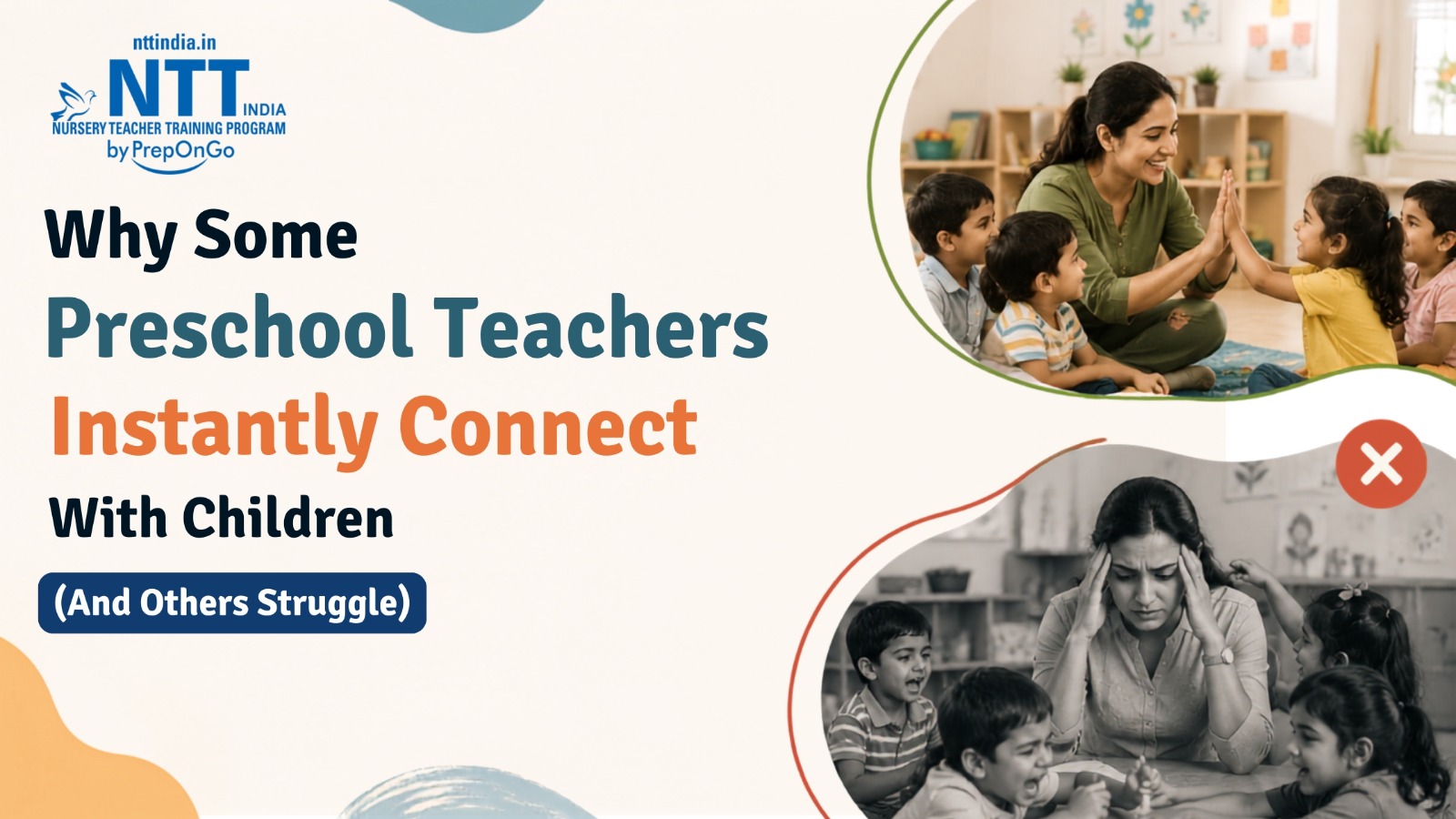
Every parent has seen it.
A child walks into a classroom for the first time, holding tightly onto a parent’s hand. They’re nervous, unsure, and hesitant to participate.
Then something interesting happens.
A teacher kneels down to their level, says a few words, perhaps smiles, and within minutes the child begins to relax.
No magic trick.
No special toy.
No complicated teaching method.
Just connection.
Some preschool teachers seem to have an incredible ability to connect with children almost instantly. Others, despite good intentions, struggle to build that same relationship.
What creates this difference?
Is it personality?
Experience?
Training?
Or something deeper?
The answer lies in understanding how young children experience the world.
Children Don’t Learn From People They Don’t Trust
Adults often separate emotions from learning.
Children don’t.
For a preschool child, learning begins only after they feel safe.
Before they learn:
- Letters
- Numbers
- Colours
- Shapes
they need to believe:
“This is a safe place.”
“This adult understands me.”
“I belong here.”
When trust is established, learning becomes easier.
When trust is missing, even the best lesson plans struggle to work.
The Hidden Skill Every Great Preschool Teacher Possesses
Most teacher training discussions focus on:
- Lesson planning
- Classroom activities
- Assessments
- Curriculum delivery
Yet one of the most important teaching skills receives surprisingly little attention.
Observation.
Exceptional teachers observe before they react.
They notice:
- Body language
- Facial expressions
- Social behaviour
- Emotional triggers
- Learning preferences
Instead of treating all children the same, they learn who each child actually is.
Why Every Child Responds Differently
One activity.
One classroom.
One teacher.
Yet completely different reactions.
One child eagerly participates.
Another watches quietly.
A third loses interest.
This doesn’t mean the activity failed.
It means children process experiences differently.
Understanding these differences is one of the most important responsibilities of a preschool educator.
Building Connection Before Correction
Many new teachers make a common mistake.
They focus on correcting behaviour before building relationships.
Experienced educators often do the opposite.
They understand that children are more likely to cooperate when they feel understood.
A connected child is often a cooperative child.
The Role of Emotional Intelligence in Preschool Teaching
Teaching young children requires more than academic knowledge.
It requires emotional intelligence.
Teachers frequently encounter:
- Separation anxiety
- Friendship conflicts
- Emotional outbursts
- Frustration
- Fear of failure
Handling these situations effectively often matters more than delivering a perfect lesson.
Five Habits of Highly Effective Preschool Teachers
1. They Listen More Than They Talk
Children reveal valuable information through conversation.
2. They Remain Calm During Emotional Moments
Children borrow emotional stability from trusted adults.
3. They Focus on Progress, Not Perfection
Growth matters more than flawless performance.
4. They Encourage Curiosity
Questions are often more valuable than answers.
5. They Build Relationships Daily
Trust is created through consistent positive interactions.
Why Teacher Training Must Go Beyond Academics
Modern preschool education requires a broader skill set.
Teachers need knowledge of:
- Child psychology
- Communication
- Emotional development
- Behaviour guidance
- Social learning
This is why professional ECCE training has become increasingly important.
How NTT India Prepares Teachers for Real Classrooms
At NTT India, teacher preparation extends beyond textbooks.
Future educators learn how to:
- Understand developmental stages
- Build classroom relationships
- Create engaging learning environments
- Communicate with parents
- Support children’s emotional growth
Because successful teaching begins with understanding children—not managing them.
Final Thoughts
The teachers children remember most are rarely those who taught the most worksheets.
They remember the teachers who made them feel capable.
The teachers who listened.
The teachers who believed in them.
And that ability to connect may be the most valuable teaching skill of all.